Drag & drop, paste, or click to upload
Searching for similar products...
In the world of large businesses, corporate clothing plays a crucial role in shaping brand identity and promoting a cohesive company culture. A well-designed corporate wardrobe not only enhances the professional appearance of employees but also serves as a tool for marketing and brand recognition. When considering corporate clothing for large businesses, several key factors should be taken into account.
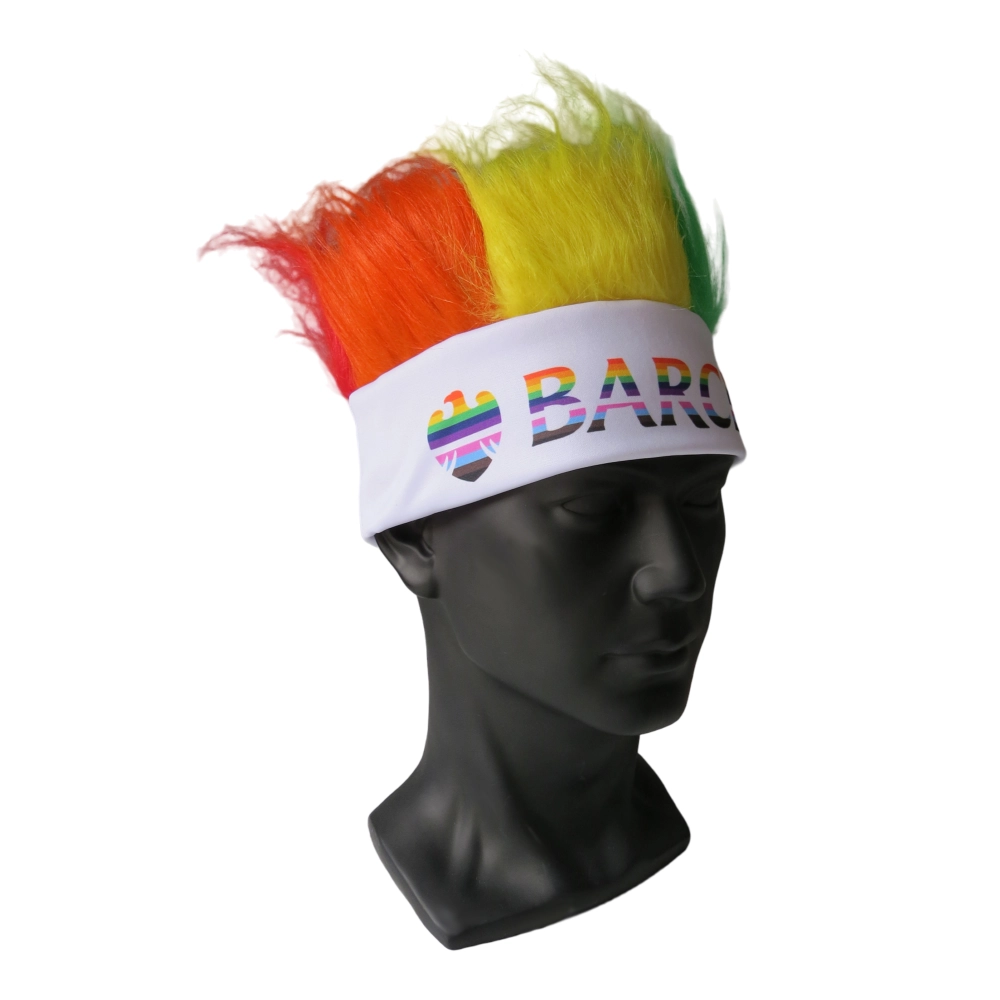
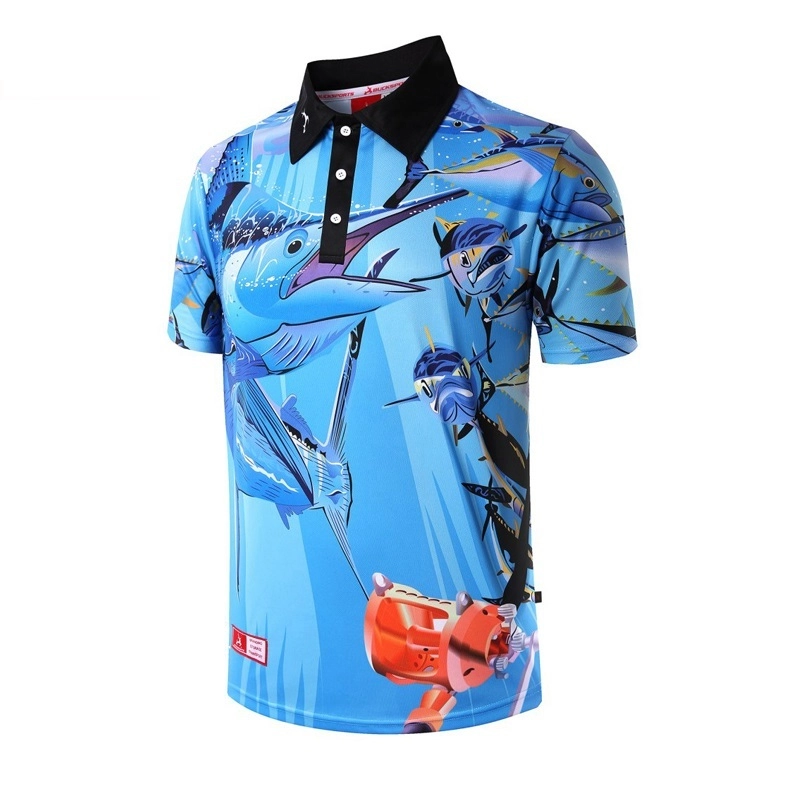
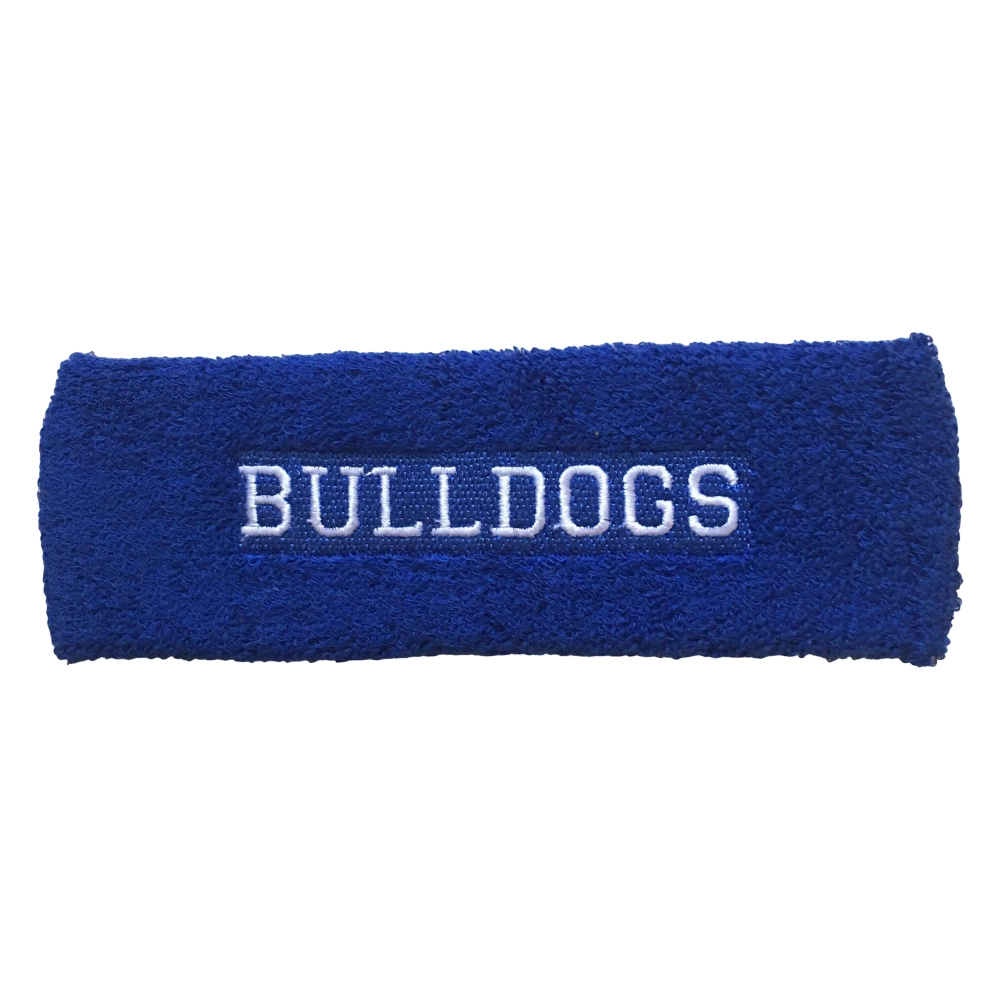
Corporate clothing helps solidify a company's brand identity. By incorporating brand colors, logos, and design elements into the attire, businesses can create a consistent and recognizable image. This consistency reinforces the brand in the minds of customers and clients, promoting trust and loyalty.
A uniform dress code fosters a sense of professionalism and unity among employees. It eliminates ambiguity around workplace attire, ensuring that all team members present themselves in a polished and appropriate manner. Additionally, corporate clothing can help bridge the gap between different departments, creating a sense of belonging and shared purpose.
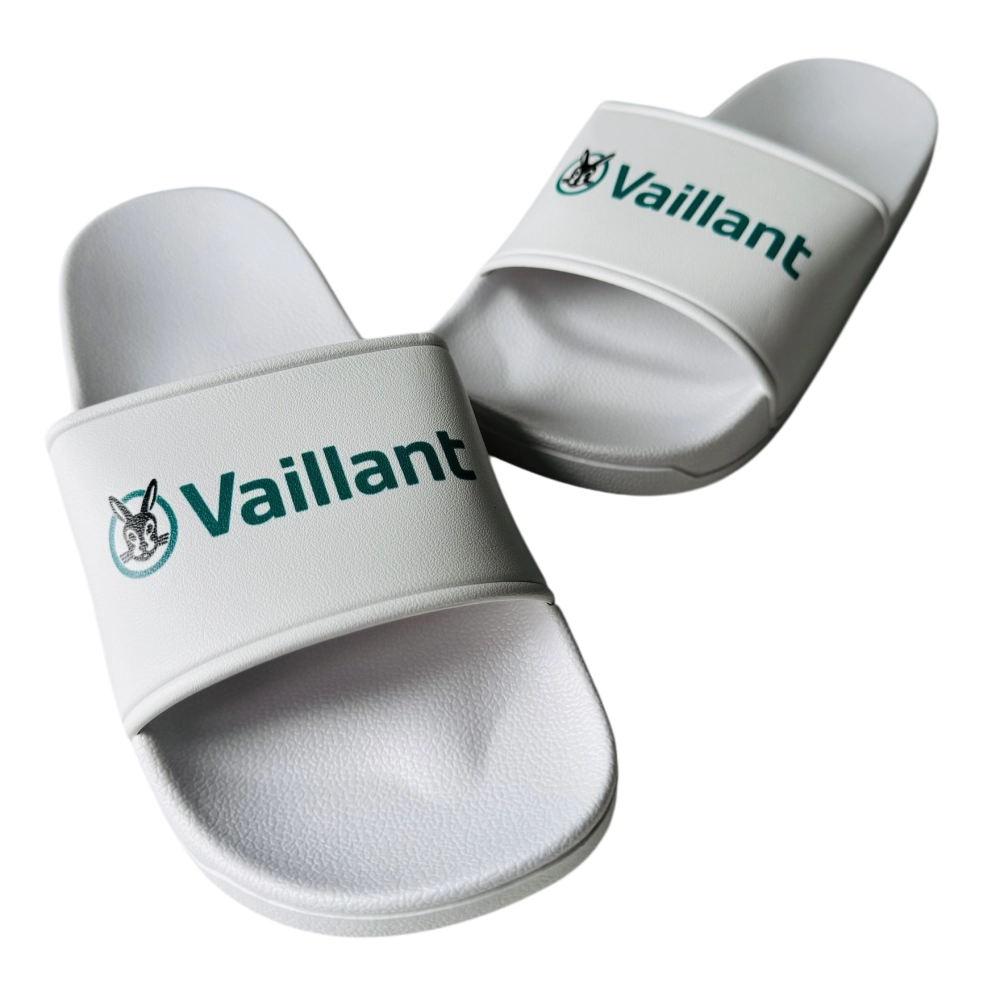
Branded corporate clothing serves as a walking advertisement for the company. Employees wearing logoed apparel outside the office can increase brand visibility and awareness. This type of passive marketing is cost-effective and can reach a wide audience without the need for expensive advertising campaigns.
When designing corporate clothing, it's important to prioritize both comfort and functionality. Employees are more likely to wear attire that fits well and allows them to perform their tasks efficiently. Considerations such as fabric choice, fit, and ease of movement should be taken into account to ensure that the clothing is both practical and comfortable.
Corporate clothing should be inclusive, accommodating a diverse workforce. Offering a range of sizes, styles, and fits ensures that all employees feel comfortable and represented. Additionally, providing options for different cultural or religious requirements can promote inclusivity and respect within the workplace.
As environmental concerns become increasingly important, many large businesses are opting for sustainable corporate clothing options. Choosing eco-friendly materials and partnering with ethical manufacturers can help reduce the company's carbon footprint and demonstrate a commitment to corporate social responsibility.
Selecting the right suppliers is crucial for maintaining quality and consistency in corporate clothing. It's important to work with reputable manufacturers who can deliver on time and within budget. Establishing a strong relationship with suppliers can lead to better pricing and improved service.
Efficient distribution systems are essential for ensuring that all employees receive their corporate clothing in a timely manner. Additionally, providing guidelines for care and maintenance will help employees keep their attire looking professional over time. Consider offering resources such as laundry services or replacement programs to support employees in maintaining their uniforms.
Regularly gathering feedback from employees about their corporate clothing can provide valuable insights for future improvements. Listening to their concerns and suggestions allows businesses to adapt and refine their clothing strategy, ensuring that it continues to meet the needs of the workforce.
In conclusion, corporate clothing is a vital component for large businesses aiming to strengthen their brand identity, promote professionalism, and enhance employee morale. By prioritizing design, comfort, inclusivity, and sustainability, companies can create a corporate clothing strategy that benefits both the organization and its employees.
Your experience on this site will be improved by allowing cookies.